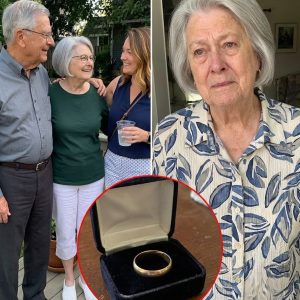
After discovering the truth about the assisted living payments, life did not immediately return to normal. I continued working, attending meetings, and handling daily responsibilities, but Linda’s words stayed with me. She admitted she wanted me to visit because I cared, not because I felt obligated. That realization forced me to question the difference between responsibility and genuine presence. I had always been reliable, but I began wondering whether I had mistaken consistency for real connection.
As the financial investigation continued, my attorney explained that the missing money had not been stolen in the traditional sense. The funds remained intact, but the situation had been built around a carefully maintained belief that I was solely responsible for Linda’s care. The discovery was unsettling because it revealed how fear and dependency had shaped our relationship. I realized that while I had been supporting her financially, she had been relying on the arrangement as reassurance that she would not be forgotten.
When I visited Linda a few days later, the tension between us was impossible to ignore. Sitting quietly by the window, she admitted she feared I would stop visiting altogether after learning the truth. For the first time, I understood that the issue had never been about money alone. It was about loneliness, relevance, and the fear of becoming a burden. Hearing her admit that changed the conversation completely.
Over the following months, we slowly rebuilt our relationship with more honesty than before. The financial matters were corrected, but the emotional work took longer. We learned to communicate openly instead of relying on assumptions. Although trust had been damaged, it was not destroyed. In the end, the experience taught us that real family relationships cannot survive on obligation alone—they require honesty, understanding, and the courage to ask for what we truly need.