Left-handedness, a trait shared by roughly 10% of the global population, is far more than a simple matter of preference for using one hand over the other. While this small minority of people may often feel at odds with a world designed predominantly for right-handers, science shows that their unique neurological wiring and cognitive tendencies can offer remarkable advantages across various domains of life. One of the most intriguing aspects of left-handedness lies in the brain itself. The human brain is lateralized, with specific functions favoring one hemisphere over the other, and in many left-handed individuals, the right hemisphere—responsible for creativity, spatial reasoning, and intuition—tends to be more dominant. According to Charlotte Reznick, PhD, a child educational psychologist and former UCLA associate professor, this neurological pattern often translates into stronger performance in creative endeavors compared to strictly logical tasks. This could help explain why left-handed individuals are frequently overrepresented in artistic, musical, and innovative fields, displaying a natural aptitude for activities that involve divergent thinking—the ability to generate multiple solutions to a problem. At the same time, studies indicate that there is no significant difference in overall IQ between left- and right-handed individuals, though a slightly higher incidence of intellectual disabilities has been observed among left-handers, suggesting that their cognitive profile is complex and multifaceted rather than simply “better” or “worse” than that of right-handers.This is why the question of “who is more likely to help” ultimately misses the point. Research and observation suggest that both introverts and extroverts frequently engage in this behavior, but their motivations differ.

Related Posts

Mother-in-law evicted grieving widow; husband’s secret will changed everything forever.
When lawyer David revealed Jason’s updated will, everything changed. Six months before his fatal accident, Jason had transferred the house into my name, left me his $1.2…

A Teen’s Kindness Reunites Her Family After Years of Heartbreaking Loss
I cried, “What are you doing here? This can’t be real!” as my knees gave way in the principal’s office. The buzzing lights and scent of old…

MysteriousSheds
My wife and I had driven the winding backroads of Oregon countless times, always noticing the same strange structures. They were tall wooden towers, about fifteen feet…
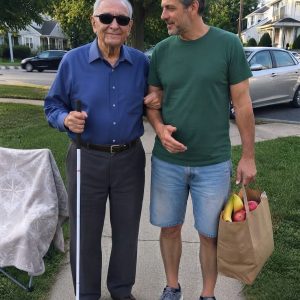
My Blind Father’s Secret Thursdays Revealed A Hidden Mission That Changed Another Family Forever After His Death
For eight years, I believed my blind father’s Thursdays were simple routines of medical appointments, groceries, and lunches with our retired neighbor Ben. After Dad was diagnosed…

Learning My Husband’s Native Language Led To An Unexpected Family Conversation And A Turning Point
I spent an entire year secretly learning Spanish because I was tired of only understanding half of every family conversation. Mateo’s family was warm, loud, and welcoming,…
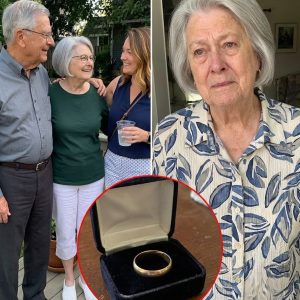
I Discovered My Father’s Forty-Year Secret, but One Woman’s Words Changed Everything I Believed Forever
After my father passed away, I visited the bank to collect a safe-deposit box he had left in my name, expecting to find legal documents or treasured…