Left-handedness, a trait shared by roughly 10% of the global population, is far more than a simple matter of preference for using one hand over the other. While this small minority of people may often feel at odds with a world designed predominantly for right-handers, science shows that their unique neurological wiring and cognitive tendencies can offer remarkable advantages across various domains of life. One of the most intriguing aspects of left-handedness lies in the brain itself. The human brain is lateralized, with specific functions favoring one hemisphere over the other, and in many left-handed individuals, the right hemisphere—responsible for creativity, spatial reasoning, and intuition—tends to be more dominant. According to Charlotte Reznick, PhD, a child educational psychologist and former UCLA associate professor, this neurological pattern often translates into stronger performance in creative endeavors compared to strictly logical tasks. This could help explain why left-handed individuals are frequently overrepresented in artistic, musical, and innovative fields, displaying a natural aptitude for activities that involve divergent thinking—the ability to generate multiple solutions to a problem. At the same time, studies indicate that there is no significant difference in overall IQ between left- and right-handed individuals, though a slightly higher incidence of intellectual disabilities has been observed among left-handers, suggesting that their cognitive profile is complex and multifaceted rather than simply “better” or “worse” than that of right-handers.This is why the question of “who is more likely to help” ultimately misses the point. Research and observation suggest that both introverts and extroverts frequently engage in this behavior, but their motivations differ.

Related Posts

They Didn’t Expect That Voice
When David Fenley walked onto the stage of America’s Got Talent, he didn’t look like someone about to leave a lasting impression. But the moment he started singing,…

The Night I Found My Family’s Secret Chat and Betrayal
At 8:12 on a Tuesday night, I was in my sister Lauren’s kitchen in Columbus, Ohio, holding her unlocked iPad while macaroni boiled over on the stove….

Find Missing Cake Piece Test Reveals Your True Personality Traits
Personality puzzles like the “missing cake piece” challenge sit at the intersection of visual perception, intuition, and self-reflection. At first glance, the task seems simple: choose which…
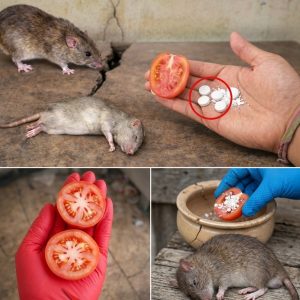
10 Natural Ways to Instantly Repel Mice and Rats Safely
Dealing with mice and rats in the home can be stressful, especially when you want to avoid poisons, traps, or harsh chemicals that may harm pets, children,…

Beets Boost Heart Health Energy Liver Function and Immunity Naturally
Beetroot, scientifically known as Beta vulgaris, is a highly nutritious vegetable recognized for its deep red color and powerful health benefits. This color comes from betalains, natural…

My Son Texted Sorry Then Unknown Call Changed Everything
When my 19-year-old son texted, “I am so sorry, Mom,” and then turned off his phone, I tried not to panic. He was in college, after all….