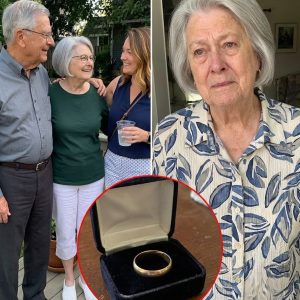
What happened in Room 304 stayed with me long after I left the hospital that day. I didn’t return to my usual pace immediately. Instead, I moved through my shift in a quieter state, as if part of my mind was still anchored in that room. Nurses are trained to separate emotion from duty, to keep moving from patient to patient without letting personal history interfere, but that day the boundary felt thinner than usual. I kept replaying small moments—the way Margaret looked at me when recognition clicked, the tone in her voice when she tried to regain control, and the quiet intervention from Dr. Stevens that shifted everything without raising a single argument. Nothing about it was loud or dramatic, yet it carried a weight that lingered.
What affected me most wasn’t her behavior, but my own response. I had once believed that facing someone from my past who hurt me would bring anger or collapse, but instead I felt something steadier—control. Not emotional detachment, but a conscious decision not to be pulled back into an old version of myself. That realization mattered more than anything she said. I didn’t need her acknowledgment or validation. The power she once had over me only existed in a life I no longer lived.
In the days that followed, I started noticing how deeply those old experiences had shaped my habits. The tendency to stay silent, to overthink, to prepare for criticism before it came—these patterns had followed me into adulthood. Margaret hadn’t created them, but she had reinforced them at a time when I was most vulnerable. Seeing her again didn’t erase those patterns, but it made them visible, and visibility made change possible.
What I took from that experience was not closure from her, but independence from the past she represented. She didn’t apologize, and nothing was neatly resolved. But I no longer needed that. Closure came from understanding that I didn’t need her to change in order for me to move forward. Room 304 didn’t pull me back—it confirmed how far I had already come.