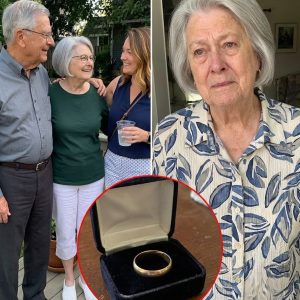
My sister, Adele, went missing before I even turned ten, leaving behind questions no one in our family could ever fully answer. Thirty years later, I finally found something that began to explain what happened on that ordinary Tuesday morning. I’m Miranda, and I was eight when she vanished. I still remember how normal everything felt, which somehow makes the memory harder to carry. Adele came downstairs with her backpack, complaining about a math test she’d stayed up late studying for, her voice half tired, half dramatic in the way teenagers are.
As usual, Heather—our mother—handed her a packed lunch. Adele barely looked up, grabbed a piece of toast, and muttered a quick goodbye before heading out the door. She never made it to school.
At first, none of us understood what “missing” really meant. Then came panic, then exhaustion. Our parents searched endlessly—driving streets at night, calling friends, speaking to teachers and neighbors. Adele’s face was printed on flyers, taped to shop windows, pinned to telephone poles. Strangers joined search groups. The police opened an investigation.
But time did what it always does. Days became weeks, weeks became months, and eventually silence replaced hope. The language changed too—no longer “when she comes back,” but “if she ever…” Our family learned to live inside an unfinished sentence.
A few days ago, my mother called to tell me my father had passed away. I drove to their house immediately and stayed to help her through everything that follows loss—paperwork, arrangements, and quiet hours neither of us knew how to fill.