Love, routine, and human desire exist within a delicate and often complicated emotional landscape where relationships constantly evolve over time. What usually begins with deep passion, curiosity, attraction, and a sense of emotional discovery can gradually transform into familiarity, stability, and routine. This transformation is not necessarily negative; in many ways, it reflects the natural maturation of a relationship as partners build shared experiences, responsibilities, and memories together. However, when routine begins to overshadow emotional connection, something subtle can shift beneath the surface. Conversations may become shorter, affection may feel less spontaneous, and partners may begin to assume rather than actively express love and appreciation. Within this changing environment, feelings that once felt effortless may require more intentional care to maintain. It is often within these quiet transitions that complicated dynamics begin to appear. The figure of the mistress, for example, frequently becomes part of discussions about relationships, provoking strong reactions that range from anger and judgment to curiosity and reflection. Yet focusing only on blame or moral comparison can sometimes obscure a deeper reality. The presence of such dynamics often reveals unmet emotional needs, unspoken frustrations, and gaps in communication that have developed over time. Understanding these situations requires moving beyond simple labels and examining the broader emotional context in which they arise.Emotional distance within relationships rarely appears suddenly or dramatically. Instead, it tends to develop gradually, shaped by the countless pressures that accompany adult life. Careers demand attention and energy, financial concerns create stress, and family responsibilities can consume time that was once devoted to connection and shared experiences. Over time, couples who once spent hours talking about dreams, ideas, and feelings may find themselves communicating mostly about schedules, bills, or obligations. T

Related Posts

They Didn’t Expect That Voice
When David Fenley walked onto the stage of America’s Got Talent, he didn’t look like someone about to leave a lasting impression. But the moment he started singing,…

The Night I Found My Family’s Secret Chat and Betrayal
At 8:12 on a Tuesday night, I was in my sister Lauren’s kitchen in Columbus, Ohio, holding her unlocked iPad while macaroni boiled over on the stove….

Find Missing Cake Piece Test Reveals Your True Personality Traits
Personality puzzles like the “missing cake piece” challenge sit at the intersection of visual perception, intuition, and self-reflection. At first glance, the task seems simple: choose which…
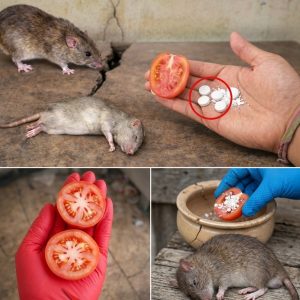
10 Natural Ways to Instantly Repel Mice and Rats Safely
Dealing with mice and rats in the home can be stressful, especially when you want to avoid poisons, traps, or harsh chemicals that may harm pets, children,…

Beets Boost Heart Health Energy Liver Function and Immunity Naturally
Beetroot, scientifically known as Beta vulgaris, is a highly nutritious vegetable recognized for its deep red color and powerful health benefits. This color comes from betalains, natural…

My Son Texted Sorry Then Unknown Call Changed Everything
When my 19-year-old son texted, “I am so sorry, Mom,” and then turned off his phone, I tried not to panic. He was in college, after all….