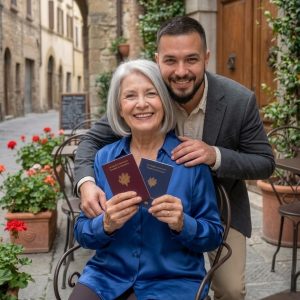
Leaving gray hair visible rather than covering it with dye has become increasingly common, and psychologists see this shift as closely tied to evolving identity and emotional maturity. For decades, gray hair was framed as a symbol of decline—an outward marker of fading relevance in cultures that equated youth with value. Those assumptions shaped social pressure to conceal aging in order to remain accepted or admired. Today, that narrative is changing. Gray hair is increasingly viewed as a sign of confidence, self-assurance, and authenticity rather than loss, reflecting broader cultural changes in how people understand beauty, worth, and time.
From a psychological perspective, the decision to stop dyeing hair often represents a deeper internal transition. Hair plays a powerful role in identity and social presentation, making gray hair a visible challenge to long-held beliefs about aging. Many people discover that their discomfort isn’t truly about appearance, but about fear—of judgment, invisibility, or diminished relevance. Allowing gray hair to show can mark a redefinition of self-worth, shifting validation away from youth-based standards and toward internal alignment and self-acceptance.
Psychologists frequently describe this choice as an act of self-affirmation. By rejecting dye, individuals consciously step away from cultural expectations that tie value to youthfulness. The decision reflects autonomy and emotional resilience, replacing obligation with authenticity. Rather than signaling neglect, it often represents reclaiming control over one’s image and choosing honesty over performance.
This shift carries particular weight for women, who have historically faced stronger pressure to hide visible signs of aging. Letting gray hair grow can feel like a quiet rebellion against unrealistic beauty standards and constant maintenance.