A brief cellphone video filmed on a snowy residential street in Minneapolis has drawn national attention after capturing moments before a tragic encounter during a federal immigration operation. Recorded from an officer’s perspective, the 47-second clip shows a maroon SUV parked along a quiet road as agents approach the driver. Bystanders stand nearby, some filming, as tense words are exchanged. Though incomplete, the footage documents a rapidly escalating situation that ended in loss of life and left a city searching for answers.
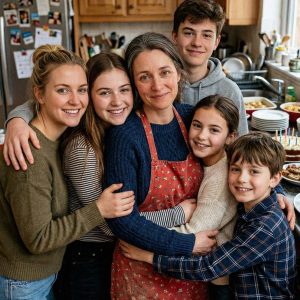
In the days that followed, the family of the driver, identified as 37-year-old Renee Good, shared memories that reached far beyond the short video. Her wife described her as a poet, a devoted mother of three, and a presence defined by warmth and compassion. Neighbors and friends echoed those memories, emphasizing that Renee was a familiar, caring figure whose absence now felt painfully real.
Vigils soon followed, bringing together residents who mourned her death and voiced concern about federal operations in their neighborhood. For many, the tragedy was not about politics or headlines, but about a person whose life ended too soon. Candles, flowers, and quiet conversations reflected grief mixed with disbelief.
Federal officials released their own account, stating that agents were conducting a targeted operation when the situation became confrontational. Authorities said the driver refused commands to exit the vehicle and that an officer acted after feeling threatened. These claims were defended as protocol-driven but immediately questioned by city leaders.
As investigations continue, the video remains central to public debate. What began as an ordinary morning has grown into a wider discussion about authority, accountability, and the human cost of conflict—one that will echo long after the snow has melted.