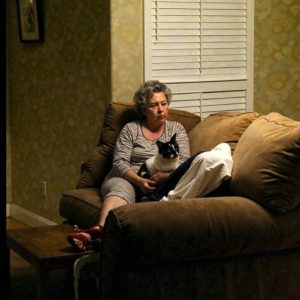
He went to bed feeling completely fine, just as he had countless nights before. The evening was calm and ordinary—dinner, conversation, and familiar routines that brought comfort and predictability. There were no warning signs, no reason to believe anything was wrong. Yet, in the quiet of the night, something changed. By morning, everything had. She had suffered a fatal heart attack in her sleep—silent, sudden, and without visible struggle.
Medical experts say this is more common than many realize. Unlike dramatic portrayals, heart attacks during sleep often occur without pain or warning, especially in older adults. The early morning hours, between 2 a.m. and 6 a.m., are particularly risky due to natural changes in hormones, heart rate, and blood pressure.
Seemingly harmless habits can increase this risk. Eating heavy meals late at night forces the heart to work harder during digestion, while lying down too soon disrupts the body’s balance. Drinking too much fluid before bed can lead to sudden awakenings, causing spikes in blood pressure. Even sleep position matters—lying flat may worsen breathing issues like sleep apnea, placing extra strain on the heart.
Small adjustments can make a difference: eat earlier, limit late-night fluids, maintain a comfortable sleep environment, and follow medical advice on medications.
Her story is a quiet but powerful reminder—what we do before sleep can affect far more than we realize