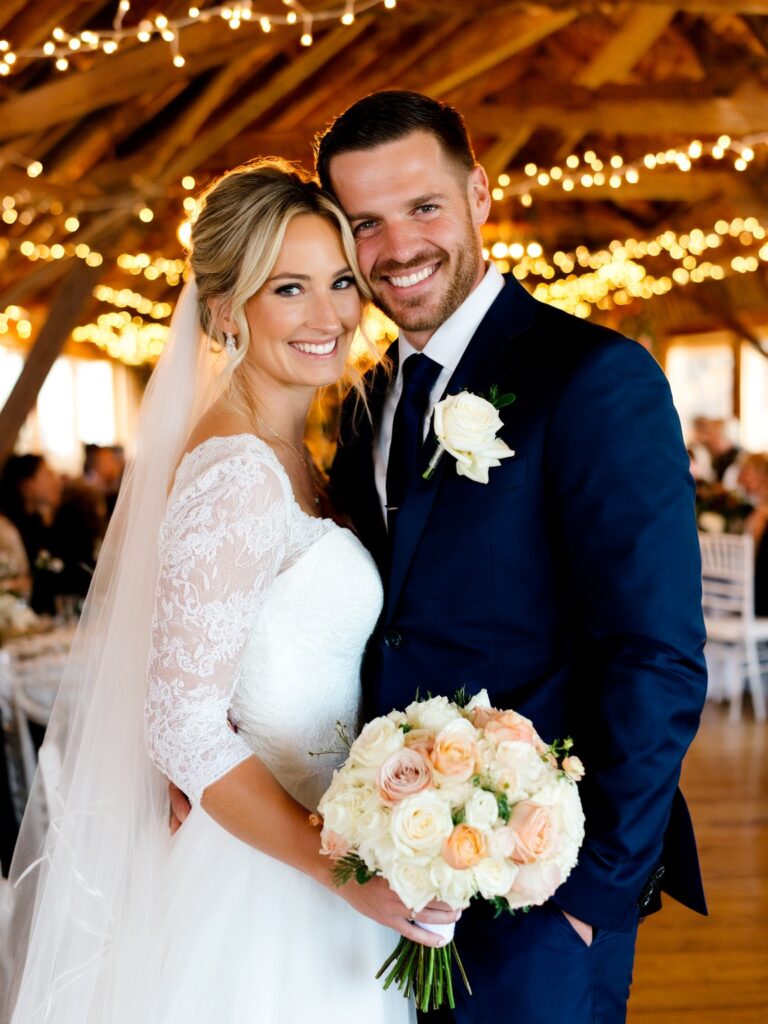
Karl and I had spent four years building something that felt stable and real. He was attentive, steady, and easy to trust, even if he kept parts of his life—especially his family—at a distance. I believed those gaps would eventually make sense. On our wedding day, everything seemed complete. Then, during the reception, he collapsed. Within minutes, celebration turned into chaos. Paramedics tried, then stopped. I was told he was gone. I stood there in my wedding dress, unable to process how quickly everything had ended.
The days after were quiet and disorienting. His parents never came. The funeral was small. A cousin mentioned Karl had made a serious mistake involving the family, but offered no clarity. Back home, the silence became unbearable. Every corner held reminders of what I thought I had lost. Eventually, I left—without a plan, just the need to move forward somehow.
On a bus ride, I felt a presence I couldn’t ignore. When I turned, Karl was sitting there—alive. Calm. He told me not to react, then explained everything as if it were reasonable. His “death” had been staged. His family had imposed conditions on their wealth, and he had orchestrated the entire event—actors, timing, even a doctor—so we could escape and start over with money. To him, it was a solution.
To me, it was something else entirely.
I had mourned him. Buried him. Accepted his absence as real. That isn’t something you can reframe as strategy. I didn’t argue. I recorded what he said, got off at the next stop, and went straight to the police.
Some things don’t need discussion. They need consequences.
And walking away, I understood—the man I loved was never truly there.