My father gathered us around the kitchen table to divide his belongings, hoping to prevent conflict. He gave the family house to my brother Chris, who accepted it without hesitation. When it was my turn, I was told I would inherit our grandfather’s old hunting cabin. Chris smirked, calling it a burden rather than a gift, suggesting that all the time I had spent there as a child had led to nothing of real value. I didn’t argue. For me, the cabin had always been a sanctuary, a place where I felt at home, especially with our grandfather.
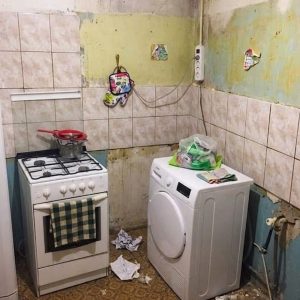
When I visited, the cabin had fallen into disrepair. Dust coated every surface, and the floorboards sagged in places. As I explored, I noticed part of the floor had given way beneath the bed, revealing a hidden stone cellar. Inside, orderly shelves and a trunk had been deliberately placed. Within the trunk, I found maps, land papers, and a letter addressed to me in my grandfather’s handwriting. He explained that these items had been left for someone patient enough to find them, not by accident, but by design.
A lawyer later confirmed the cabin’s land held significant value. Chris was outraged, convinced I had hidden the truth from him. I showed him the letter, but he remained frustrated, asking why I wouldn’t sell. I told him this was never about money—it was about legacy and care.
Over the next months, I restored the cabin slowly, cherishing the process. Every repair felt like honoring my grandfather’s memory. In the end, the gift was never just land or wealth, but responsibility—and understanding that made all the difference.