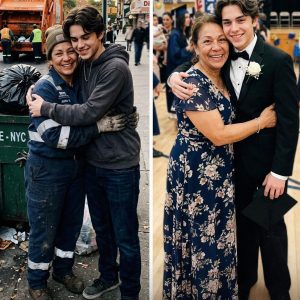
I married a homeless man, and everyone mocked us during the wedding. His name was Daniel Brooks. On that day, whispers followed him like shadows. People stared at his worn jacket, old boots, and quiet demeanor. My relatives shook their heads; someone actually laughed as we walked down the aisle.
I’m Emily Carter, raised in a family that prized appearances, and when I told them I was marrying Daniel—a man I met volunteering at a shelter—they begged me to reconsider. “Love doesn’t pay the bills,” my father warned. I listened but didn’t back down. Daniel never defended himself. He just said, calmly, “If they need answers, they’ll hear them when the time is right.”
The wedding was small, tense, and awkward. My side was stiff and judgmental; his side almost empty. During dinner, I overheard whispers: “She’ll regret this,” “This is a charity case.” Daniel held my hand quietly, radiating calm. Then he stood for a speech. The room fell silent, some smirking at the thought of an embarrassing ramble. But Daniel didn’t shame or plead—he shared the truth.
“Five years ago,” he began, “I was a senior project manager with a house, savings, and a fiancée. Then my partner committed fraud, my accounts were frozen, and my life collapsed. I chose to live on the streets—not for pity, but to understand dignity.” Murmurs ran through the room. “During that time, I met people invisible to the world. When my settlement came, I used it anonymously to help them. Emily loved me when I had nothing to offer but honesty.”
He laid out documents proving his settlement and nonprofit work. Silence gave way to applause, some guests crying. I hugged him as the room finally recognized his worth. Daniel didn’t change after the wedding.
He continued running his nonprofit, living modestly, staying exactly who he was. My family apologized; I accepted, not for him, but because that day taught me that love reveals character long before wealth does.
People still ask if I felt embarrassed marrying someone mocked by all. I tell them the truth: I was embarrassed by how quickly people judge what they don’t understand. Daniel taught me dignity isn’t measured by appearance or possessions—it’s how you treat people when no one is watching. If you had been in that room, would you have laughed—or listened?