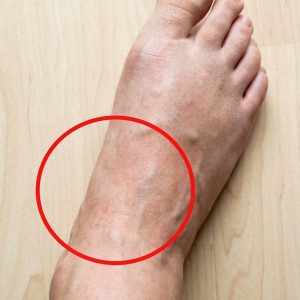
As the years pass, our bodies change in both obvious and subtle ways, and our skin is often the quietest messenger of that shift. After age 65, skin naturally becomes thinner, drier, and more fragile. It produces fewer protective oils, loses elasticity, and heals more slowly. Habits that once felt refreshing—like long, hot daily showers—can slowly begin to work against comfort. Cleanliness still matters, but understanding aging skin helps us care for it with greater intention.
Frequent showering can strip away the natural oils that keep mature skin soft and resilient. Hot water and harsh soaps remove moisture, leaving skin tight, itchy, and sensitive. Over time, this weakens the skin’s barrier, making irritation more likely. Flaking, redness, or persistent dryness often appear without warning, and many people don’t realize their daily shower routine may be the cause. This doesn’t mean bathing should be avoided—only that gentler habits are often more effective.
Many skin experts suggest that after 65, full-body showers every other day or a few times a week are usually enough. On non-shower days, washing the face, hands, and key areas keeps the body fresh without unnecessary drying. Lukewarm water, fragrance-free cleansers, and mild soaps help protect delicate skin. Applying a rich moisturizer right after bathing, while the skin is still slightly damp, locks in hydration and restores comfort.
Personal needs always differ. Some still prefer daily showers for relaxation, and that’s okay. Shorter showers, mild products, and gentle drying can reduce harm. In the end, caring for aging skin is about balance. With small adjustments, older adults can stay clean, comfortable, and confident—giving their skin the gentle care it now deserves.