If you spend even a few minutes scrolling through health news or social media, you have probably encountered dramatic warnings about everyday foods. One day coffee is harmful, the next day it is protective. Eggs swing between villain and hero. Recently, cashews have been pulled into this cycle of fear-based headlines, often introduced with phrases like “Doctors warn…” or “Eating this nut could harm your heart.” These claims are designed to spark anxiety and curiosity, encouraging readers to click before thinking critically. Fear travels faster than facts, and simple foods can suddenly seem suspicious when wrapped in medical-sounding language. Yet when you step away from the noise and look at actual nutritional research, the situation becomes far less dramatic. Cashews are not a hidden danger lurking in your snack bowl. Instead, they are a traditional, widely consumed food that has nourished people around the world for centuries. The gap between the frightening headlines and the scientific reality highlights a common problem in modern health communication: attention often matters more than accuracy. Sensational stories attract views, while balanced explanations rarely trend. As a result, many people begin to distrust foods that are, in truth, perfectly safe. Understanding cashews requires slowing down, examining evidence carefully, and separating emotional marketing from measurable science. When we do that, the picture becomes clearer, calmer, and much more reassuring.At their core, cashews are simply seeds harvested from the cashew apple tree, yet they are surprisingly dense with nutrients. Within their small, curved shape lies a combination of healthy fats, protein, fiber, vitamins, and essential minerals that contribute meaningfully to daily nutrition. A significant portion of their fat content consists of monounsaturated fats, the same type found in foods like olive oil and avocados. These fats are widely recognized for their positive effect on heart health, particularly their ability to help maintain balanced cholesterol levels.

Related Posts

One Spoon Nightly Drink Claims to Flatten Belly Fat Fast
Many people today are searching for simple, natural ways to feel lighter and reduce bloating without strict diets or complicated routines. This has led to growing interest…

They Didn’t Expect That Voice
When David Fenley walked onto the stage of America’s Got Talent, he didn’t look like someone about to leave a lasting impression. But the moment he started singing,…

The Night I Found My Family’s Secret Chat and Betrayal
At 8:12 on a Tuesday night, I was in my sister Lauren’s kitchen in Columbus, Ohio, holding her unlocked iPad while macaroni boiled over on the stove….

Find Missing Cake Piece Test Reveals Your True Personality Traits
Personality puzzles like the “missing cake piece” challenge sit at the intersection of visual perception, intuition, and self-reflection. At first glance, the task seems simple: choose which…
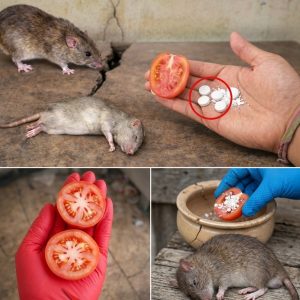
10 Natural Ways to Instantly Repel Mice and Rats Safely
Dealing with mice and rats in the home can be stressful, especially when you want to avoid poisons, traps, or harsh chemicals that may harm pets, children,…
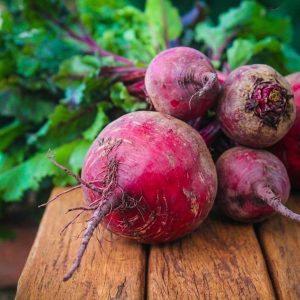
Beets Boost Heart Health Energy Liver Function and Immunity Naturally
Beetroot, scientifically known as Beta vulgaris, is a highly nutritious vegetable recognized for its deep red color and powerful health benefits. This color comes from betalains, natural…