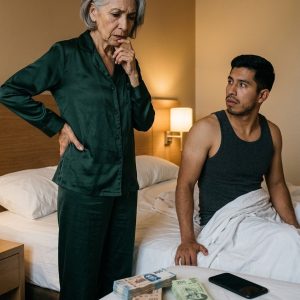
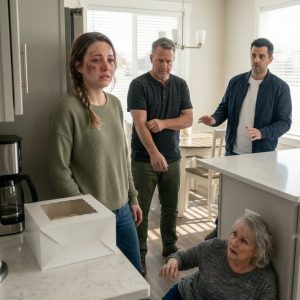
After three years in prison, I came home expecting my father’s embrace. Instead, I found a stranger living in his house. “He passed away last year,” my stepmother said calmly, as if discussing the weather. Behind her, every trace of my father’s life had been erased—furniture, photos, even the color of the walls. I felt like a stranger in my own home.
I walked for hours, numb, until I reached the cemetery. A groundskeeper handed me an envelope from my father, dated months before my release. Inside was a letter, a key, and a small card: “Unit 108 — Westridge Storage.” My father had prepared for me. I drove to the storage facility, unlocked the unit, and found everything he had hidden: files, receipts, photographs, and a laptop.
On the laptop, my father appeared on video. He explained how my stepmother and her son had framed me, stole from the family business, and manipulated evidence. He documented everything, quietly gathering proof while I was locked away. He spoke directly to me, telling me he loved me and hoped this would restore my life. I cried for the first time in years, knowing the truth was real and that I hadn’t imagined the injustice.
With a lawyer, the truth came out. My conviction was overturned, the family’s lies exposed. I found my father’s real grave and finally felt peace. I rebuilt my life honestly, helped others wrongfully accused, and learned that justice isn’t always revenge—it’s reclaiming what’s been stolen.