For ten years, I believed marriage meant standing beside someone no matter how heavy life became. As Curtis’s wife, I gave more than love—I gave my time, my patience, and myself. When his father, Arthur, grew gravely ill, Curtis said he couldn’t handle watching him fade. So I stepped in. I became Arthur’s caregiver, guiding him through painful days and sleepless nights, reading to him when his strength failed, and holding his hand when fear crept in. In those quiet moments, he became more than family by marriage—he became family by heart.
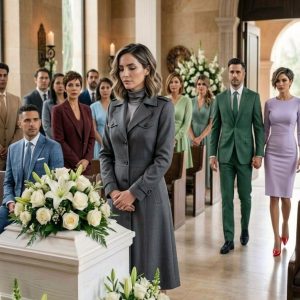
Arthur’s death left a hollow ache in me. I grieved deeply, while Curtis seemed oddly relieved, already moving forward. Just days after the funeral, I came home to find my belongings packed and waiting by the door. Curtis calmly told me our marriage was over. He spoke proudly of his inheritance, dismissed our ten years as finished business, and handed me a small check as “compensation.” That night, I slept in my car, stunned by how quickly love had turned into indifference.
Weeks later, I was called to the reading of Arthur’s will. Curtis acted confident and impatient, certain it was a formality. The attorney listed the home, the assets, and the fortune. Curtis smiled—until the attorney paused to read one final clause Arthur had added.
Arthur had tied his inheritance to loyalty and compassion. If Curtis had remained married and treated me with respect, the fortune would be his. If not, it would go to the one who truly cared for him.
Silence followed. Curtis’s certainty collapsed as the inheritance was legally transferred to me. He pleaded, blaming grief, but the truth was sealed. I walked away with more than security—I walked away with clarity. Arthur saw what I once ignored: real love expects nothing in return. And with that truth, I began a new life built on dignity, self-respect, and peace.