For centuries, the dandelion has occupied a respected and almost symbolic place in traditional healing systems across Europe, Asia, and parts of the Middle East. Ancient herbalists did not view it as a nuisance plant but as a gift from nature, one that appeared wherever humans settled, as if intentionally following them. Its bright yellow flowers and resilient roots were associated with vitality, cleansing, and renewal. Long before microscopes and clinical trials, healers observed how dandelion preparations seemed to stimulate digestion, relieve fluid retention, and restore energy after illness. Folk medicine traditions passed down detailed knowledge on when to harvest the leaves, how deeply to dig for the roots, and how to dry and store them for year-round use. In many cultures, springtime dandelion tonics were considered essential after long winters, helping the body “wake up” and clear accumulated stagnation. Despite this rich history, modern society gradually reclassified the dandelion as a weed, something to be sprayed, pulled, or ignored. Lawns replaced meadows, and pharmaceutical solutions replaced plant-based remedies. Yet, as scientific curiosity increasingly turns back toward nature, the dandelion is once again stepping into the spotlight, not as folklore, but as a subject of rigorous laboratory investigation that challenges assumptions about what powerful medicine can look like.Among the most compelling modern investigations into dandelion focuses on its root, a thick, branching structure that stores concentrated nutrients and phytochemicals. Researchers in a Canadian university department of chemistry and biochemistry began examining dandelion root extract after noticing its historical use in chronic illness and detoxification. In controlled laboratory conditions, they exposed various abnormal cell lines to the extract and observed cellular responses over time.

Related Posts

Heartbroken Grandson’s Handmade Bunnies Thrown Away, Father Responds
I’ve lived long enough to know that grief doesn’t leave when a person does. It lingers in corners, habits, and the spaces between words. Sometimes it softens….

Mother-in-Law Sold Her Home, Walked Straight Into Our Plan
The day my mother-in-law called in a panic asking where the entrance to our “new luxury house” was, I had to mute my phone just to keep…

Hidden general mocked by family until truth changed everything
I stood frozen as my Silver Star disappeared into the glowing coals. For a moment, my mind refused to process it—until my son’s voice broke through. “Aunt…
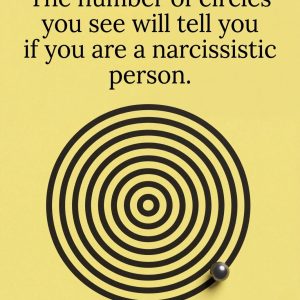
“Circle perception test may reveal hidden narcissistic traits and behaviors.”
At first glance, the image appears to be a hypnotic spiral, drawing the eye inward as if twisting endlessly. Yet on closer inspection, it’s composed of several…

Scalp, hands, feet itching may signal hidden health issues
Itching is usually harmless, but when it becomes persistent or unusual, it may signal something deeper. The skin often reflects internal health, and ongoing itching—especially without a…

Aneurysm warning signs in men: pain, dizziness, urgent attention
An aneurysm is a serious condition where a weakened blood vessel bulges and may rupture, causing life-threatening bleeding, stroke, or death. What makes it especially dangerous is…