As electricity became more widely available, automatic washing machines gradually transformed household chores. What once required hours of soaking, scrubbing, rinsing, and squeezing could eventually be accomplished with much less physical effort. Electric dryers also reduced the need to hang every garment outside. Slowly, traditional laundry wringers disappeared from everyday homes, becoming reminders of a time when even simple household tasks demanded hard work and determination.
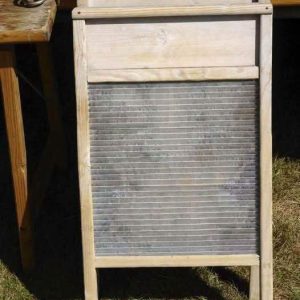
Today, these unusual machines have found a second life among antique collectors, history enthusiasts, and people interested in traditional craftsmanship. Some individuals restore old wringers and display them as decorative pieces, while others appreciate their practical construction. In certain rural households, traditional equipment may still be used for specific purposes. Their sturdy frames, simple mechanisms, and long-lasting materials demonstrate how earlier generations valued tools designed to survive years of demanding use.
For younger generations, discovering an old laundry wringer can be a fascinating experience. It offers a glimpse into the daily responsibilities of parents and grandparents, who often spent countless hours keeping their families clean and comfortable. What might appear to be nothing more than a rusty machine was once an essential household helper. Every worn handle, scratched frame, and aging roller reflects years of ordinary family life and hard work.
Ultimately, an antique laundry wringer represents much more than an outdated household appliance. It tells a story about changing technology, family responsibilities, and the resourcefulness of previous generations. It reminds us how dramatically everyday life has improved through modern inventions while helping us appreciate the effort behind ordinary comforts we sometimes take for granted. Sometimes, the most forgotten objects hold the most fascinating stories about where we came from and how people lived before us.



This Post Has One Comment