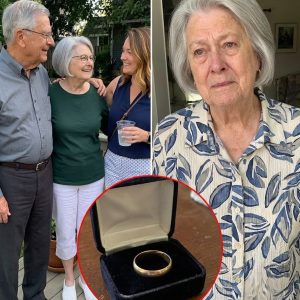
At seventy-three, I finally understood that betrayal rarely arrives with dramatic warning signs. Sometimes it comes quietly, wearing a familiar face and speaking with a voice you once trusted. While I was recovering from surgery, Robert stood at the foot of my bed and calmly informed me he was leaving. Beside him was Marla, confident and composed, already acting as though the future belonged to her. What struck me most was not anger but clarity. This was not a discussion or confession—it was an announcement of a decision made without me.
As Robert packed his belongings and removed photographs from our home, I realized he was doing more than leaving. He was attempting to rewrite our shared history, reducing my role in the life we built together. Yet his confidence overlooked an important truth: I had been essential to that success from the beginning. Years of partnership, sacrifice, and financial risk could not simply be erased. My illness had weakened my body, but it sharpened my awareness. I began noticing inconsistencies, missing records, and financial decisions that no longer made sense.
When I contacted Margaret, our focus was not revenge but facts. Together, we carefully examined documents, transfers, and signatures that had long been dismissed as routine. The deeper we looked, the more Robert’s carefully constructed narrative began to unravel. By the time the matter reached court, evidence spoke louder than any argument. Records revealed the truth he had spent years trying to control.
What remained afterward was not triumph but peace. The house felt honest again, free from manipulation and denial. I learned that justice is not about defeating someone else—it is about reclaiming yourself. Standing among family and laughter once more, I understood that I had not lost my life when Robert tried to take it from me. I had finally learned how to keep it for myself.