Caleb’s disappearance began on an ordinary morning, the kind shaped by routine and familiarity. At fourteen, he followed the same path to the bus stop every day, with nothing to suggest that anything would go wrong. But somewhere along that short walk, something changed. His phone died early that morning, cutting off any way to trace him. When he didn’t arrive at school, concern quickly replaced routine, and as hours passed without answers, a heavy silence settled over his family.
In the days that followed, an official search began, with teams combing through nearby areas and reviewing every possible lead. At first, the effort felt strong and focused, but as time passed and no evidence emerged, momentum slowed. The terrain was difficult, filled with wooded areas and hidden spaces. While authorities adjusted resources, a group of local bikers stepped in, organizing their own search with determination and structure.
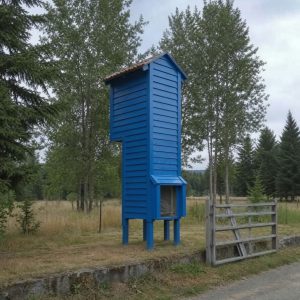
Deep in the woods, Caleb had taken shelter in an abandoned cabin after becoming injured and disoriented. With no phone and no clear path back, survival became his only focus. Days blurred together as he conserved energy and waited, holding onto the belief that someone was still looking. Meanwhile, the bikers searched tirelessly, dividing land into sections and covering areas others might miss.
On the forty-seventh day, their persistence paid off. Caleb was found weak but alive inside the cabin. The moment was quiet but powerful—a result of endurance, community, and refusal to give up.