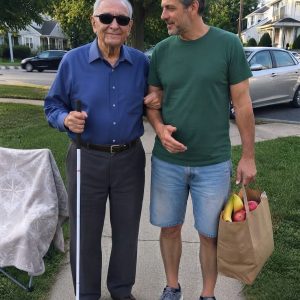
For seven years, I cooked dinner for Arthur, the loneliest and harshest man on my street. I’m a single mother of seven, working multiple jobs just to keep food on the table, yet I always made one extra plate for him. Most people avoided him because of his temper and cold attitude, but I couldn’t ignore the moment I found him collapsed on the icy sidewalk. When he asked why I helped him, I simply said no one deserves to be alone—and from then on, I kept showing up.
Arthur never became warm or friendly, but he accepted the meals. One day, he finally let me step inside his home, where I saw walls filled with photos of his children. He admitted they had stopped visiting long ago. That explained everything—his anger, his isolation, and the walls he built around himself. Still, I never stopped bringing food, even when others thought I was wasting my time.
When Arthur passed away at 80, his children arrived at the funeral, focused only on inheritance. At the will reading, his lawyer played a recording revealing Arthur had been watching me long before I ever helped him. He said he tested my consistency and kindness, and that’s why he trusted me. He left me his house, giving me the choice of what to do with it.
I chose to keep it and turn it into a place where no one eats alone. Because of that decision, Arthur left me the rest of his fortune. In the end, kindness didn’t just change his life—it transformed mine and even brought his family back together.