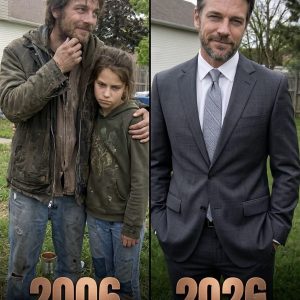
A young milkmaid lived under constant strain while caring for her ill mother. Their home was worn, their income uncertain, and each day was a struggle to afford even the basics. Her father was gone, held over unpaid debts, leaving her to carry everything alone. She worked from dawn until night, yet it was never enough—especially for the medicine her mother needed. The village knew their situation, but sympathy rarely changed anything.
One day, a wealthy landowner arrived, his presence stark against their hardship. Calm and direct, he offered a solution: he would pay their debts and secure her father’s return. In exchange, he asked for marriage—and a child. He claimed he had little time left to live, presenting the proposal as both practical and merciful. With no real alternatives and her family’s survival at stake, she agreed.
The wedding was quick and quiet. That night, unable to sleep, she passed his office and noticed a light still on. Inside, papers lay open across the desk. A medical report caught her attention—recent, clear, and undeniable. It showed no illness. Nearby, legal documents revealed the truth: he needed a child within a year to secure his inheritance. The marriage had been a calculated decision, not an honest one.
By morning, she was gone. Some truths don’t require confrontation—only the clarity to walk away before they take more than you can afford to lose.