After a period of grief, I believed I had found stability when Jack entered my life. He was attentive, present, and quickly became part of our daily routine. My daughter Diana grew comfortable with him almost immediately, and I allowed that to reassure me. When he proposed after only four months, I said yes. It felt steady. It felt certain. I did not question it as much as I should have.
That changed during our engagement party. Diana mentioned casually that she had overheard Jack talking about a “plan” being complete after the wedding. She didn’t fully understand it, but I couldn’t ignore it either. Instead of confronting him directly, I decided to observe more closely. When he left for an early meeting the next morning, I followed at a distance. He met a woman—his former wife, Laura. Their interaction was tense, not casual. Later, I spoke with Laura, not to accuse, but to understand. She explained that unresolved financial issues from their past had never been addressed. According to her, Jack had been counting on me to help rebuild his situation, leaving out key truths.
Looking back, the signs had been there: vague answers, redirected conversations, incomplete details. I had chosen to ignore them. On the day of the wedding, I let the ceremony begin but paused it at the right moment. I calmly explained what I had learned, asking Laura to stand to confirm that my concerns were real.
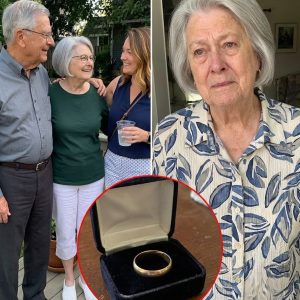
He had no answer that could hold. I returned the ring and ended the ceremony. I focused on Diana, who only needed reassurance, not explanation. I learned that clarity, not comfort, builds true trust—and attention is required, even when it feels uncomfortable to ask.