The morning unraveled in seconds. I was serving breakfast when scalding coffee hit my face, a sharp, sudden pain that left me gasping. Ryan stood across from me, irritated, not shocked, while his sister Nicole watched silently. She had arrived unannounced, asking him if he had “talked to me yet.” Now it was clear why. Ryan pointed at me. “Later, she’ll come to the house. Give her your things or get out.” My heart raced. My face burned. I pressed a towel to it and realized something inside me had gone still—no shouting, no arguing, just clarity.
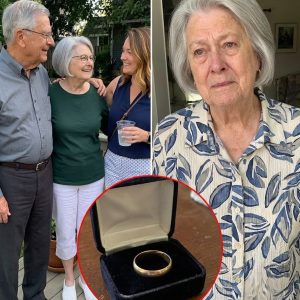
I walked upstairs, locked myself in the bathroom, and began calling for help—urgent care, a friend, a moving company, a locksmith. By noon, everything I owned was packed. At 3:15, when Ryan arrived with Nicole, he entered a house that no longer belonged to him. A police officer stood near the last boxes; my wedding ring and the police report sat on the table. Ryan demanded answers. I explained the assault, threats, and documented injuries. His attempts to dismiss or manipulate me failed. I calmly detailed canceled accounts, frozen credit, and the protective order I was filing.
As movers finished, Ryan begged, blamed, and argued, but it didn’t matter. Nicole accused me of “destroying the family over pride,” but I kept everything—texts, photos, medical records. The court granted the protective order, and the divorce followed quickly. The house sold, the money split fairly, and Ryan was left with his debts. Nicole was later arrested for fraud, severing their manipulations entirely.
By winter, the burn on my face had faded. I moved into a quiet new home, rebuilt my routines, and claimed peace that carried no conditions. Sitting with my friend Tasha, I realized I had left before losing the part of me that would have stayed. The past mattered—but it no longer owned my future.