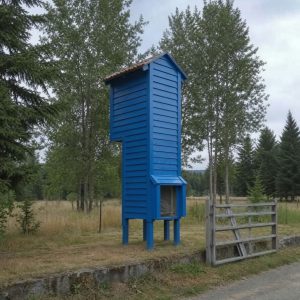
In late September, my sister called me in distress, asking me to come to our family property. When I arrived, I was shocked—six large trees along our boundary had been cut down. Some had stood there for decades, including a few planted by my father. Now, nothing remained but stumps. The work had been ordered by a nearby homeowners association to improve their view.
When I raised the issue, my concerns were brushed aside. I was told they believed they had the right to clear the area. However, I knew the boundaries were clearly documented. There was an existing road easement allowing access through our land, but it did not permit any changes to the property itself. After speaking with a legal expert, it became clear that the removal had not been authorized.
Instead of escalating things emotionally, I focused on protecting what remained. I marked the property line and restricted access to the road, while still allowing emergency use. This caused frustration, but local authorities confirmed I was within my rights. Soon after, an official survey verified that the trees had indeed been on our land.
In the end, a resolution was reached. The association agreed to restore the area by planting new trees. Once everything was settled, I reopened access. It was a reminder that respecting boundaries matters—and that actions always have consequences.