For centuries, rosemary has held a quiet yet profound presence in human life, extending far beyond its familiar role as a culinary herb. Across diverse cultures and regions, its delicate, needle-like leaves and invigorating aroma have inspired admiration, ritual, and practical use, cementing its place in both domestic and ceremonial spheres. While most people recognize rosemary for its earthy flavor and Mediterranean culinary applications, its significance reaches much deeper into the realms of symbolism, healing, and cultural tradition. Ancient societies attributed protective, purifying, and restorative properties to this resilient evergreen, connecting it to themes of clarity, strength, remembrance, and renewal. In folklore and literature alike, rosemary has functioned as a living symbol, a reminder of humanity’s enduring relationship with nature and the comfort derived from simple, mindful rituals. For example, it was commonly planted near homes and in gardens as a safeguard against misfortune, employed in ceremonial fires to cleanse spaces, and integrated into domestic routines to mark occasions or honor the departed. These practices demonstrate that rosemary’s value has long resided not only in its sensory qualities but also in its ability to bridge the tangible and the symbolic, the everyday and the sacred.Historically, rosemary’s role in human culture has been wide-ranging and deeply symbolic. In Mediterranean villages, families often planted rosemary near doorways and windows, believing that the plant could purify the air, ward off negativity, and provide a protective aura for those inside. Its fragrant scent was considered to promote mental clarity and emotional equilibrium, linking everyday sensory experiences to broader spiritual or psychological benefits. Ancient Romans burned rosemary in temples during religious ceremonies, while Egyptians employed it in rituals honoring life, death, and rebirth.

Related Posts

Mother-in-law evicted grieving widow; husband’s secret will changed everything forever.
When lawyer David revealed Jason’s updated will, everything changed. Six months before his fatal accident, Jason had transferred the house into my name, left me his $1.2…

A Teen’s Kindness Reunites Her Family After Years of Heartbreaking Loss
I cried, “What are you doing here? This can’t be real!” as my knees gave way in the principal’s office. The buzzing lights and scent of old…

MysteriousSheds
My wife and I had driven the winding backroads of Oregon countless times, always noticing the same strange structures. They were tall wooden towers, about fifteen feet…

My Blind Father’s Secret Thursdays Revealed A Hidden Mission That Changed Another Family Forever After His Death
For eight years, I believed my blind father’s Thursdays were simple routines of medical appointments, groceries, and lunches with our retired neighbor Ben. After Dad was diagnosed…

Learning My Husband’s Native Language Led To An Unexpected Family Conversation And A Turning Point
I spent an entire year secretly learning Spanish because I was tired of only understanding half of every family conversation. Mateo’s family was warm, loud, and welcoming,…
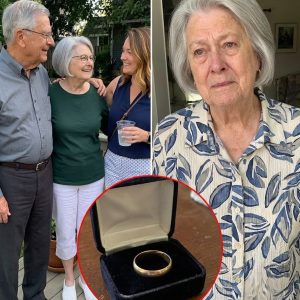
I Discovered My Father’s Forty-Year Secret, but One Woman’s Words Changed Everything I Believed Forever
After my father passed away, I visited the bank to collect a safe-deposit box he had left in my name, expecting to find legal documents or treasured…