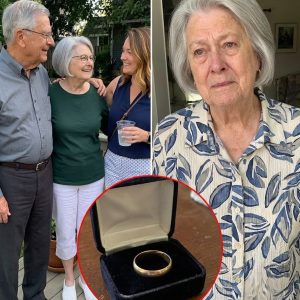
Nina had always thought of grief as something quiet and contained, meant to be carried alone. But when her daughter Naomi was born, Nina’s mother-in-law, Denise, spoke of the baby as if destiny had returned something she had lost. Denise’s love was gentle yet intense, wrapped in warmth that made it hard to refuse her requests. When she asked to spend time alone with Naomi, Nina agreed, though an uneasiness stirred beneath her calm. It felt harmless—just a grandmother doting—but something subtle had shifted, as if boundaries were being quietly rewritten.
One Sunday, Naomi came home subdued. She didn’t rush forward or chatter about her day. When Nina asked how her visit went, Naomi hesitated, then whispered that Grandma said their time was a secret.
Nina assured her she never had to keep secrets, but Naomi only clung tighter. That night, Nina shared her worry with her husband, Finn, who brushed it off as overthinking. Denise was just being loving, he said. The word echoed uncomfortably.
Soon, changes became impossible to ignore. Naomi sang unfamiliar songs, asked for foods she’d never liked, and wore clothes Nina hadn’t bought. Then Nina found a photo in Naomi’s bag—a little girl in a yellow dress, labeled “Becca.” Finn recognized his sister, who had died young. Denise was slowly passing Becca’s memories, belongings, even identity onto Naomi, who had begun calling herself “Bee.”
When Nina confronted Denise, the truth spilled out. Denise admitted she had never healed, and Naomi’s resemblance reopened old wounds. Nina set firm boundaries: love was welcome, but only with help, honesty, and supervision. That night, Nina held Naomi close and promised she never had to be anyone else. Memories can be honored—but no child should be asked to live inside another life.