When my father chose to divide our inheritance early, he called my brother and me to the kitchen table as if it were an ordinary family talk. He gave Chris the family house, explaining that with children, he needed the space. Then he looked at me and said I would receive Grandpa’s old cabin in the woods. Chris smirked, calling it a decaying hunting shack, joking that I’d inherited dust and memories. I didn’t argue. As he drove away satisfied, I stood there with the strange feeling that this decision carried more weight than any of us realized.
That cabin had once been my refuge. While my brother thrived in noise and attention, I found peace in quiet places. Grandpa understood that. He read to me by lantern light, listened without rushing, and taught me that some places help you breathe. After he died, the cabin became a memory I buried to move on, so when I returned years later, I expected little more than rot and silence.
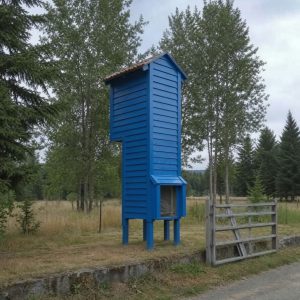
The cabin leaned with age, vines choking the porch, air thick with neglect. But beneath a collapsed floorboard, I noticed something odd—a hidden cellar built carefully into the earth. I descended with a flashlight and found shelves of metal boxes, a wooden trunk, and an envelope with my name written in Grandpa’s hand.
His letter explained everything. He had left the land to me deliberately. The surrounding property, he wrote, was worth far more than the house, but money wasn’t his reason. He trusted me because I listened, stayed, and cared. My inheritance wasn’t a lesser gift—it was a responsibility.
When the truth surfaced, my brother was furious and demanded I sell. I considered it briefly, then chose differently. I restored the cabin and protected the land. Months later, it stood warm and steady again. Grandpa’s letter hangs above the bed, reminding me that inheritance isn’t always about wealth—it’s about being truly seen and trusted to carry something meaningful forward.