For centuries, the dandelion has occupied a respected and almost symbolic place in traditional healing systems across Europe, Asia, and parts of the Middle East. Ancient herbalists did not view it as a nuisance plant but as a gift from nature, one that appeared wherever humans settled, as if intentionally following them. Its bright yellow flowers and resilient roots were associated with vitality, cleansing, and renewal. Long before microscopes and clinical trials, healers observed how dandelion preparations seemed to stimulate digestion, relieve fluid retention, and restore energy after illness. Folk medicine traditions passed down detailed knowledge on when to harvest the leaves, how deeply to dig for the roots, and how to dry and store them for year-round use. In many cultures, springtime dandelion tonics were considered essential after long winters, helping the body “wake up” and clear accumulated stagnation. Despite this rich history, modern society gradually reclassified the dandelion as a weed, something to be sprayed, pulled, or ignored. Lawns replaced meadows, and pharmaceutical solutions replaced plant-based remedies. Yet, as scientific curiosity increasingly turns back toward nature, the dandelion is once again stepping into the spotlight, not as folklore, but as a subject of rigorous laboratory investigation that challenges assumptions about what powerful medicine can look like.Among the most compelling modern investigations into dandelion focuses on its root, a thick, branching structure that stores concentrated nutrients and phytochemicals. Researchers in a Canadian university department of chemistry and biochemistry began examining dandelion root extract after noticing its historical use in chronic illness and detoxification. In controlled laboratory conditions, they exposed various abnormal cell lines to the extract and observed cellular responses over time.

Related Posts

Mother-in-law evicted grieving widow; husband’s secret will changed everything forever.
When lawyer David revealed Jason’s updated will, everything changed. Six months before his fatal accident, Jason had transferred the house into my name, left me his $1.2…

A Teen’s Kindness Reunites Her Family After Years of Heartbreaking Loss
I cried, “What are you doing here? This can’t be real!” as my knees gave way in the principal’s office. The buzzing lights and scent of old…

MysteriousSheds
My wife and I had driven the winding backroads of Oregon countless times, always noticing the same strange structures. They were tall wooden towers, about fifteen feet…
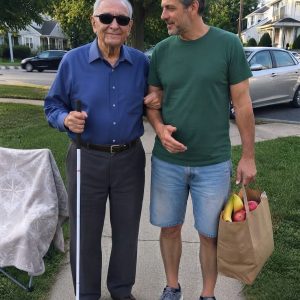
My Blind Father’s Secret Thursdays Revealed A Hidden Mission That Changed Another Family Forever After His Death
For eight years, I believed my blind father’s Thursdays were simple routines of medical appointments, groceries, and lunches with our retired neighbor Ben. After Dad was diagnosed…

Learning My Husband’s Native Language Led To An Unexpected Family Conversation And A Turning Point
I spent an entire year secretly learning Spanish because I was tired of only understanding half of every family conversation. Mateo’s family was warm, loud, and welcoming,…
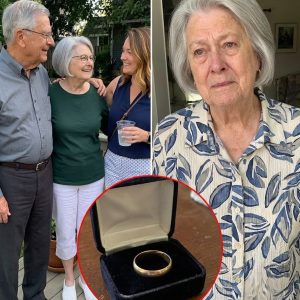
I Discovered My Father’s Forty-Year Secret, but One Woman’s Words Changed Everything I Believed Forever
After my father passed away, I visited the bank to collect a safe-deposit box he had left in my name, expecting to find legal documents or treasured…